Course description:
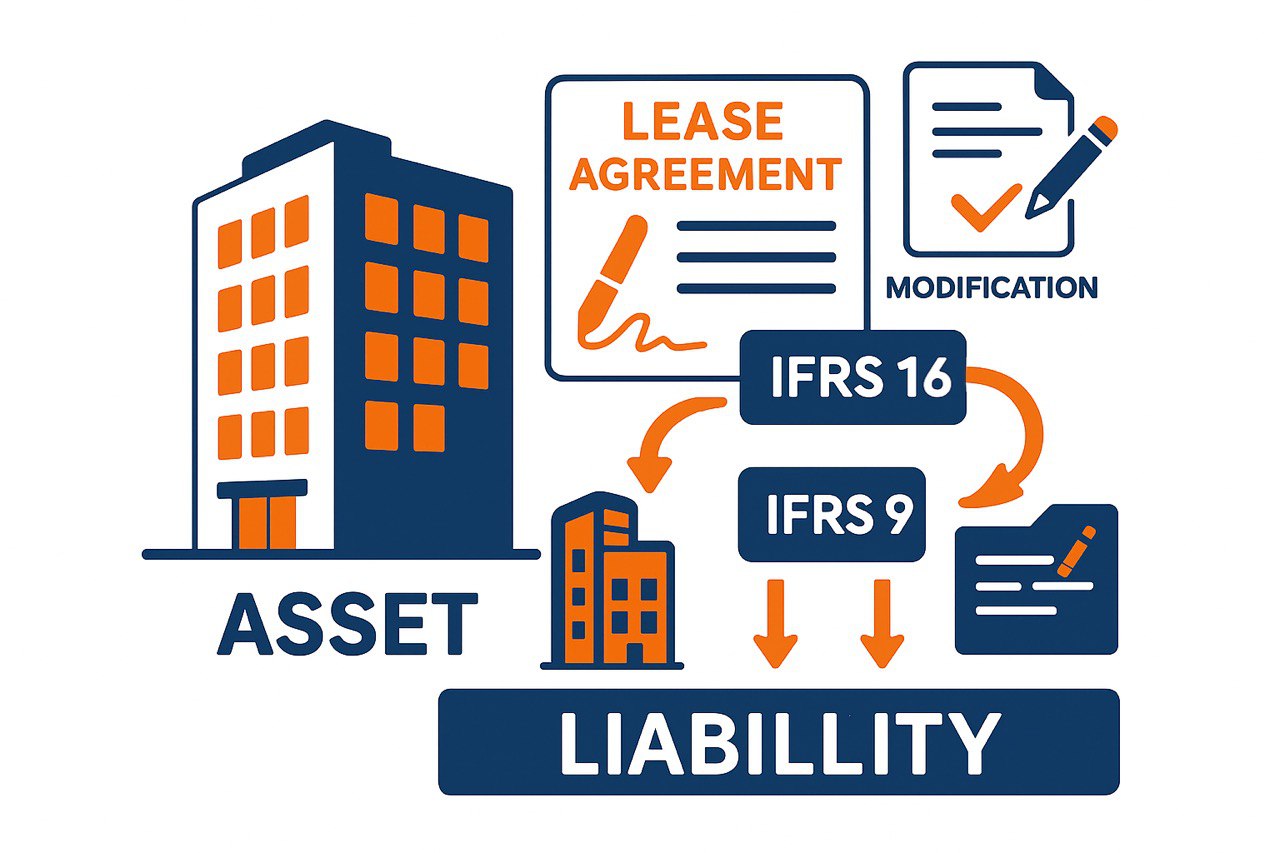
IFRS 16 Leases radically changed the approach to lease accounting, especially for lessees: leases can no longer simply be kept off the balance sheet — almost all contracts are now recognised as an asset and a liability. This affects the structure of the balance sheet, EBITDA and leverage, and changes the approach to lease modifications and derecognition.
This course is aimed at specialists who work with lease contracts in day-to-day practice and prepare IFRS financial statements. We will look in detail at how to distinguish an operating lease from a finance lease, how to account for lease payments for the lessee and the lessor, and how to account for lease modifications — from changes in term to remeasurement of liabilities.
A separate module is devoted to the interaction between IFRS 16 and IFRS 9. Participants will learn when the impairment model applies, how an asset or liability is derecognised on early termination or restructuring of a contract, and how to account for revised estimates.
The programme is full of examples — both of the accounting and of the impact on financial indicators and reporting. We will cover lessee and lessor accounting and the practice of applying the standard in banks, leasing companies and corporations with an extensive lease infrastructure.
Target audience:
Accountants, finance professionals, IFRS specialists, internal auditors, and staff of leasing companies, banks and large corporates that lease offices, equipment and vehicles.
Course programme:
IFRS 16 Leases radically changed the approach to lease accounting, especially for lessees: leases can no longer simply be kept off the balance sheet — almost all contracts are now recognised as an asset and a liability. This affects the structure of the balance sheet, EBITDA and leverage, and changes the approach to lease modifications and derecognition.
This course is aimed at specialists who work with lease contracts in day-to-day practice and prepare IFRS financial statements. We will look in detail at how to distinguish an operating lease from a finance lease, how to account for lease payments for the lessee and the lessor, and how to account for lease modifications — from changes in term to remeasurement of liabilities.
A separate module is devoted to the interaction between IFRS 16 and IFRS 9. Participants will learn when the impairment model applies, how an asset or liability is derecognised on early termination or restructuring of a contract, and how to account for revised estimates.
The programme is full of examples — both of the accounting and of the impact on financial indicators and reporting. We will cover lessee and lessor accounting and the practice of applying the standard in banks, leasing companies and corporations with an extensive lease infrastructure.
Target audience:
Accountants, finance professionals, IFRS specialists, internal auditors, and staff of leasing companies, banks and large corporates that lease offices, equipment and vehicles.
Course programme:
- IFRS 16 basics: the concept of a lease, scope, key definitions.
- Operating and finance leases: differences, lessee and lessor accounting.
- Recognising the right-of-use asset and the lease liability.
- Initial and subsequent measurement: discounting, reassessments.
- Lease modifications: when it is a new transaction and when a remeasurement.
- Derecognition of a lease asset or liability.
- Sale and leaseback accounting: conditions, examples.
- Impairment of lease assets by analogy with IFRS 9.
- Presenting leases in the financial statements: approaches and disclosures.
- Practical cases: office leases, equipment leases, long-term contracts.
Academic hours: 5 (CPD = 4)
Document: State-recognised certificate of training
Document: State-recognised certificate of training